
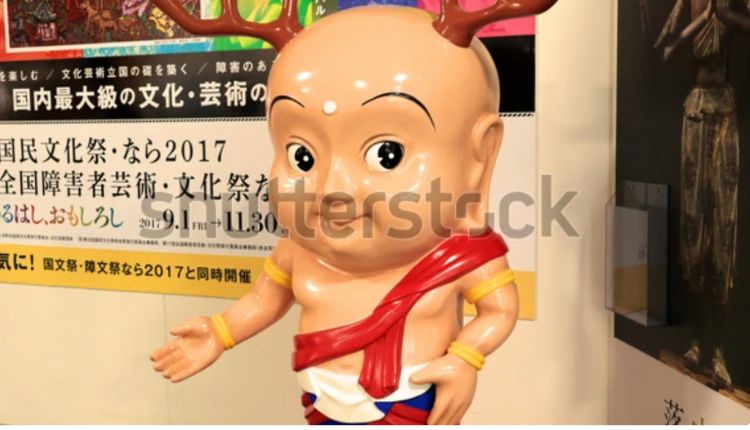
While it may seem simple at first glance, this phrase has layered meaning depending on its cultural, linguistic, and digital context. In this comprehensive SEO guide, we’ll explore the origins, symbolism, possible interpretations, and growing importance of sento kun in modern media and internet culture.
- The meaning and linguistic breakdown of Sento Kun
- The cultural significance of Sento in Japanese society
- Sento Kun in anime and manga culture
- Online popularity and social media trends
- Sento as brand identity
- Symbolism and emotional interpretation of Sento Kun
- Global influence of Japanese naming conventions
- The future potential and digital relevance of Sento Kun
- Conclusion
- Frequently asked questions
The meaning and linguistic breakdown of Sento Kun
Understanding the phrase “sento kun” begins by dividing it into two parts: “sento” and “kun”. In the Japanese language structure, words often combine to create layered meanings. The suffix “kun” is commonly used as an honorific in Japanese culture, typically referring to boys, younger men, or close male friends. It conveys familiarity and warmth rather than strict formality.
The word “sento” (銭湯) traditionally refers to a public bath in Japan. Public baths have been an important part of Japanese society for centuries. They are not just places for swimming but also for social interaction, relaxation and community bonding.
When combined, “sento” could literally mean “bath boy” or “a young figure associated with sento”. However, in many online spaces, the term may not strictly refer to spa houses. Instead, it may represent:
- Name of fictional character
- Nickname used in anime or gaming communities
- Stylized username
- Personality as a mascot
The flexibility of Japanese honorariums allows for creative customisation, especially in digital spaces. The phrase feels friendly, subtle, and character-driven, which is why it resonates with anime and manga audiences around the world.
As Japanese pop culture continues to influence global media, words like ‘sento’ are becoming popular outside of Japan, especially among fans of animation, games, and manga storytelling traditions.
The cultural significance of Sento in Japanese society
To understand sento kun more deeply, we need to explore the cultural basis of “sento”. Public baths became widespread during Japan’s Edo period. These spaces offered more than just hygiene; they were centres of communication and neighbourhood life.
Historically, sento represented:
- Community Connection
- Relaxation and stress relief
- Everyday social interaction
- A sense of equality
Everyone bathed together regardless of social status, strengthening unity. Even today, although modern houses have their own bathrooms, traditional sento remain popular in cities like Tokyo and Kyoto.
In Japanese storytelling, the spa setting often symbolises purification, emotional cleansing, or personal growth. One famous example is the bathhouse in Hayao Miyazaki’s Spirited Away. Although the word ‘sento’ is not directly from this film, the symbolism of the spa deeply influences the naming traditions of the characters.
As sento carries a sense of tradition and comfort, the addition of “kun” creates a character-like warmth. This combination can make the name nostalgic and friendly.
Thus, Sento’s cultural roots give the phrase ‘sento’ an emotional depth beyond its literal meaning.
Sento Kun in anime and manga culture
In the anime and manga communities, unique names often combine everyday words with honorifics. Sento kun fits perfectly into this tradition. Many characters in Japanese media bear simple but meaningful names that reflect personality, setting, or symbolic traits.
The suffix “kun” is often heard in school anime, where classmates address students this way. Because of this association, the sento-kun can induce:
- Young male hero
- A minor character with a subtle personality
- A comedic or mascot-style character
- A nostalgic character or a character with a traditional theme
Popularised worldwide by studios such as Studio Ghibli, Japanese animation has become a widely recognised name based on the honorific. International fans now understand terms like “san”, “chan” and “kun”.
Online fan-fiction platforms sometimes create original characters using names like Sento to signal Japanese cultural inspiration. It adds authenticity and emotional warmth to the story.
The popularity of anime conventions, cosplay communities, and digital streaming platforms has increased the prevalence of culturally inspired names. Fans like to adopt Japanese-style usernames to express their identity and fandom.
In this context, sento becomes more than just words – it becomes part of a system of creative identity in global pop culture.
Online popularity and social media trends
The rise of Sento Kun can also be linked to social media culture. Unique usernames are valuable on the Internet because they are memorable and searchable. Japanese-inspired names often stand out for their aesthetic appeal.
Platforms like YouTube, TikTok, Instagram, and Discord often feature usernames combining:
- A simple noun
- Japanese royalty
- Anime-inspired style
- Soft branding based on character
The phrase ‘sento’ is easy to pronounce, visually balanced and culturally meaningful. These features make it ideal for:
- Game accounts
- Anime fan site
- Artistic profiles
- VTuber-style tag
Japanese aesthetics are widely appreciated in digital communities. Soft tones, minimalism and a character-based identity appeal to audiences looking for creative expression.
The growth of anime streaming platforms and global fan communities has normalised the use of Japanese expressions in everyday online interaction. As a result, Sento feels natural even to non-Japanese speakers who regularly consume anime.
Search engines also favour unique keywords. Since Sento is not very competitive compared to the broader anime terms, it can rank well in niche communities.
Sento as brand identity
From a digital marketing perspective, Sento Kun has branding potential. A name that feels friendly, culturally interesting and short can become a recognisable identity.
Effective brand names usually have:
- Simplicity
- Emotional tone
- Cultural association
- Memorability
Sento-kun ticks these boxes. It sounds warm and full of character. When used as a mascot, it may represent:
- Spa-themed game
- Relaxation app
- An anime-inspired clothing line
- A cultural storytelling channel
The combination of traditional Japanese roots with the modern use of the Internet creates a balance. Brands often succeed when they combine tradition and innovation.
In addition, the Japanese-themed brand appeals to an international audience fascinated by Japanese cultural exports. From sushi restaurants to anime merchandise, Japanese aesthetics have global value.
Entrepreneurs and content creators can choose Sento because it sounds authentic without being complicated. It also feels adaptable, meaning it can evolve into different creative projects over time.
Symbolism and emotional interpretation of Sento Kun
In addition to the literal meaning, ‘sento kun’ can also carry a symbolic interpretation. Spa houses in Japanese stories often represent purification, renewal, and emotional transformation.
In narrative symbolism, a character named sento can symbolise:
- Internal cleansing
- Growth after hardship
- Social connection
- Comfort and nostalgia
The honorific “kun” makes the name personal and engaging. It suggests youth and innocence. Combined with traditional sento roots, it creates a balance between old and new.
Symbolic names are powerful in storytelling. They subconsciously influence the audience’s perception. A name like Sento doesn’t sound aggressive or dark. Instead, it sounds calm and inviting.
This emotional softness explains why similar naming patterns appear in the slice-of-life anime genres. These stories focus on everyday moments, friendships and subtle character development.
Writers often choose culturally significant names to enhance the atmosphere. Even if the audience does not consciously analyse the meaning, the tone shapes their emotional experience.
Sento-kun can thus function as a symbolic identity rooted in cultural warmth and gentle storytelling.
Global influence of Japanese naming conventions
Japanese naming conventions have spread around the world thanks to anime, gaming and internet culture. Words like “kun” are now recognised even by non-Japanese speakers.
Globalisation has led to:
- Cross-cultural usernames
- Hybrid naming styles
- International anime fandom
- Increased curiosity in the Japanese language
Fans of series produced by studios like Toei Animation or franchises like Naruto often adopt Japanese-inspired names online.
The worldwide success of the anime normalised the honorific use. In forums and fan communities, people sometimes playfully refer to themselves as “kun” or “chan”.
This cultural exchange creates a digital environment where names like sento kun feel natural. It represents how language develops through entertainment.
The influence is not limited to anime. Japanese video games, fashion trends, and minimalist design aesthetics have contributed to cross-cultural naming trends.
Sento fits into this larger pattern of global intermingling of cultures, where traditional words take on new life in online communities.
The future potential and digital relevance of Sento Kun
Looking ahead, Sento Kun can continue to gain visibility if adopted by creators or influencers. Unique keywords often gain attention when they are associated with:
- Viral video
- Webcomic
- Gaming channel
- Mascot character
Because it is distinctive, Sento has strong search engine optimisation potential. Specialised keywords are easier to rank for and build brand identity.
Digital communities value originality. If someone develops a strong personality under this name, they could become recognisable in anime circles.
As Japanese culture continues to influence global media trends, culturally rooted names are likely to continue to be popular. The Sento combines heritage, friendliness and adaptability.
Its future depends on creative reception. With the right storytelling or branding strategy, it can evolve from a simple keyword into a recognisable digital identity.
Conclusion
Sento kun is more than just a phrase. It combines Japanese cultural heritage with modern Internet creativity. This term, rooted in the traditional concept of sento spa houses and extended by the friendly honorific “kun”, carries the warmth, symbolism and potential of the brand.
From anime communities to creating a digital identity, sento presents how language travels across cultures. Its simplicity, emotional tone, and cultural authenticity make it adaptable for storytelling, gaming, branding, and online presence.
As global interest in Japanese media continues to grow, names like sento are likely to remain relevant and meaningful in creative digital spaces.
Frequently asked questions
What does ‘sento’ mean?
“Sento kun” combines “sento”, meaning public bathhouse and “kun”, a Japanese honorific for a boy or younger man.
Is Sento an official anime character?
There is no widely recognised mainstream character officially named Sento, but it may be used in fan communities or online platforms.
Why is the word “kun” popular in anime?
“Kun” is commonly used in Japanese schools and anime to casually and warmly address boys.
Can Sento be used as a brand?
Yes, it has branding potential due to its simplicity, uniqueness and cultural tone.
Is Sento related to Spirited Away?
Not directly, but the symbolism of baths in Japanese culture, such as in Spirited Away, gives the word ‘sento’ contextual relevance.