Rooted in Japanese illustration traditions and inspired by anthropomorphic animal figures, Kemono furry art combines softness, emotional expression, and stylised design into a unique aesthetic that continues to attract artists and fans worldwide. From digital illustrations to comics, character design, and animation-inspired creations, this art style reflects both creativity and community culture.
In this comprehensive guide, we’ll explore the origins, characteristics, techniques, platforms, character design principles, cultural impact, and future trends of kemono art. Whether you are an aspiring artist, collector, or simply curious about the niche, this article will help you understand why kemono art has gained such global attention.
- The Origin and Development of Kemono Furry Art
- Key features that define Kemono Art
- Tools and Techniques Used in Creating Kemono Art
- Principles of character design in Kemono Art
- Popular platforms and communities for Kemono Art
- The Cultural Influence and Global Appeal of Kemono Art
- Common Themes and Art Trends in Kemono Art
- Future Prospects and Growth of Kemono Art
- Conclusion
- Frequently asked questions
The Origin and Development of Kemono Furry Art
Kemono furry art originated in Japan and is deeply connected to the wider furry fandom. The word “kemono” means “animal” in Japanese, but within art communities, it refers to a specific design style of anthropomorphic figures. While Western furry art often emphasises realistic anatomy and muscular builds, Kemono art focuses more on cuteness, softness, and expressive features.
The development of Kemono art is closely related to the influences of anime and manga. Japanese illustrators incorporated anthropomorphic animals into storytelling traditions long before modern furry fandom spread online. Early inspiration can be seen in works such as Pokémon, where animal-like creatures have strong personalities and stylised designs. Similarly, Japanese pop culture has embraced mascots and character brands, contributing to the growth of cute animal-based art styles.
During the 2000s and 2010s, online platforms allowed artists to share their work internationally. Communities formed around the fur art of the kimono, leading to cross-cultural exchange between Japanese and Western artists. This change helped improve the style and introduced new color palettes, character proportions, and digital rendering techniques.
Today, Kemono art is recognised as a distinct sub-style within the global furry community. It stands out for its rounded facial features, oversized eyes, simplified anatomy and emotionally expressive poses. As digital tools become more advanced, artists continue to experiment with lighting, texture, and storytelling within the genre.
Key features that define Kemono Art
Kemono furry art is visually recognisable due to its unique stylistic elements. Unlike realistic anthropomorphic art, kemono focuses on emotional impact and charm rather than anatomical accuracy.
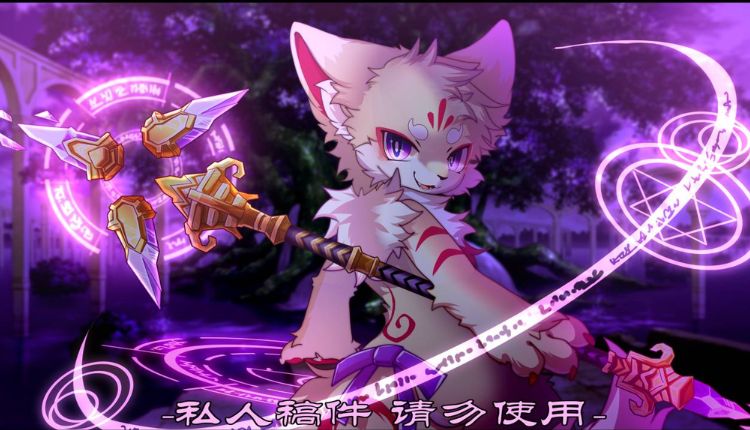
One of the most important features is the large, round eyes. These eyes often contain subtle transitions and highlights that make the character appear alive and expressive. The face shape is usually rounded, with small noses and simplified mouths, giving the characters a plush appearance.
Body proportions in kemono art are typically stylised. Characters may have slightly oversized heads compared to their bodies, which contributes to a cute, youthful appearance. Fur textures are usually simplistic rather than highly detailed. Instead of individual strands, artists often use subtle shading and smooth colour transitions.
Common features include:
- Rounded and soft facial structures
- Big, expressive eyes
- Simplified anatomy and minimal muscle definition
- Pastel or vibrant color palettes
- Emotional and playful poses
Clothing and accessories also play an important role. Many furry kimono characters are depicted in fashionable clothing inspired by Japanese street fashion, fantasy themes, or casual wear. This gives each character personality and depth to the narrative.
The overall goal of kemono art is to evoke warmth and relatability. Rather than focusing on realism, the style favours emotional storytelling and visual harmony.
Tools and Techniques Used in Creating Kemono Art
Modern furry kemono art is largely digital, although some artists still use traditional media. Digital illustration software enables smoother transitions, clean lines and flexible colour adjustments.
Popular digital tools include drawing tablets and styluses combined with illustration software. Artists usually start with rough sketches to create a pose and expression. After softening the line drawing, they apply base colours followed by layered shading and highlighting.
Key techniques include:
- Fine airbrush shading for fur and skin tones
- Overlay gradients for eye depth
- Subtle lighting effects for atmosphere
- A clean, smooth line with controlled thickness
- Cheek tones and highlights for emotional warmth
Lighting is especially important in kemono furry art. Many artists use soft ambient lighting to enhance the subtle appearance of the character. Backgrounds often include dreamy elements such as sparkles, pastel skies, or abstract gradients to keep the focus on the subject.
Practice and consistency are essential. Artists study anatomy, color theory, and composition to improve their work. While the style looks simple, achieving balance and emotional expression requires careful planning and technical skill.
Principles of character design in Kemono Art
Character design is essential to Kemono furry art. Each character usually represents a personality, often called a “fursona” within the furry community. Fursona is an anthropomorphic character that reflects aspects of the creator’s identity or imagination.
Strong character design includes the choice of species traits, colour schemes, personality cues, and costume elements. For example, a character based on a fox might have fluffy tails and pointy ears, while a wolf character might emphasise loyalty and strength.
Important design considerations include:
- Clear silhouette for easy recognition
- Harmonious color combinations
- Expressive facial expression
- Unique accessories or clothing
- Balanced proportions
The behind-the-scenes stories also add to the appeal of the characters. Artists often create stories to explain a character’s hobbies, personality traits, or fictional worlds. This aspect of storytelling makes kemono art more immersive.
Consistency in design is essential. Repetitive elements, such as specific markings or signature clothing, help create an identity. Many artists maintain reference sheets that show front, side, and back views of their figures to ensure accurate depictions in future artwork.
Popular platforms and communities for Kemono Art
The growth of kemono furry art has been strongly supported by online platforms. Social media and art-sharing websites allow creators to connect with a global audience.
Artists often share their work on illustration-focused platforms and social networks. Online communities encourage feedback, collaboration and commission opportunities.
Community interaction includes:
- Art Challenges and Monthly Challenges
- Custom-based character illustrations
- Joint comic projects
- Virtual conventions and live drawing broadcasts
These communities are generally supportive and creativity-based. Artists share tutorials, brushes and advice to help newbies improve their skills. This collaborative culture contributes to the continued growth of kemono art.
As technology advances, virtual reality spaces and digital galleries are also becoming more common. Artists are experimenting with animated loops, interactive character models and augmented reality presentations.
The Cultural Influence and Global Appeal of Kemono Art
Kemono furry art combines Japanese pop culture with international furry fandom. Its appeal lies in its emotional clarity and approachable design.
Japanese character culture, often referred to as “kawaii” culture, influenced the softness and charm of the kimono aesthetic. The global popularity of anime has also contributed to wider recognition. Animated works like Beastars present an anthropomorphic narrative that resonates with furry communities around the world.
Besides being fun, kemono art encourages creativity and self-expression. Many artists use their characters to explore identity, fantasy worlds and imaginative storytelling. Conventions and art events celebrate these creations and promote cross-cultural exchange.
The adaptability of the style also increases its global reach. Artists from different countries incorporate local themes and artistic traditions while maintaining the basic elements of Kemono. This blending of influences keeps the genre fresh and evolving.
Common Themes and Art Trends in Kemono Art
Themes in kemono furry art range from slice-of-life scenes to fantasy adventures. Emotional narrative plays an essential role in the formation of compositions.
Common topics include:
- Friendship and company
- Magic fantasy setting
- Seasonal celebrations
- Occasional moments of everyday life
- Dreamy or pastel landscapes
Recent trends emphasise more subtle colour gradations and cinematic lighting. Artists experiment with glowing effects, sparkles and textured overlays. Some include subtle animation loops to add movement.
Fashionable character designs are also popular. Streetwear-inspired clothing and fantasy armour combine modern aesthetics with imaginative storytelling. Backgrounds increasingly include detailed cityscapes or natural environments.
As AI tools become more common, artists focus on maintaining originality and handmade quality. Personal style remains highly valued in the kemono art community.
Future Prospects and Growth of Kemono Art
The future of kemono furry art looks promising. With the development of digital art technologies, artists are gaining new tools to perfect their craft. Higher resolution displays and improved stylus sensitivity improve detail and colour accuracy.
Virtual conventions and online marketplaces provide economic opportunities for artists. Custom work, merchandise and digital prints help creators keep their passion alive.
Educational content is also expanding. Tutorials, live workshops and online courses make learning easy. Every year, new artists enter the community, bringing new ideas and perspectives.
Innovation is likely to include:
- Animated character models
- Interactive storytelling formats
- Intermedia cooperation
- Extended global community events
Despite technological changes, emotional expression and imaginative design remain at the heart of kemono art. As long as artists continue to explore new ideas, this art form will continue to evolve and inspire audiences around the world.
Conclusion
Kemono furry art is more than just a drawing style; it is a vibrant creative movement shaped by cultural exchange, digital innovation and community collaboration. Featuring soft features, expressive eyes and a charming aesthetic, it offers artists a powerful way to tell stories and express identity.
From its Japanese roots to its global expansion, kemono art continues to attract passionate creators and fans. With growing online platforms, evolving techniques and supportive communities, the genre shows no signs of slowing down. Whether you’re a budding illustrator or an admirer of anthropomorphic design, kemono art provides endless opportunities for creativity and connection.
Frequently asked questions
What is kemono art?
Kemono art is a Japanese-influenced style of anthropomorphic illustration characterised by soft features, large expressive eyes, and a cute aesthetic.
How does Kemono differ from Western furry art?
Kemono focuses more on cuteness and stylised proportions, while Western furry art often emphasises realistic anatomy and detailed musculature.
What are the best tools for creating kemono art?
Digital drawing tablets combined with illustration software are commonly used to allow artists to apply smooth shading and vivid colours.
Can beginners start kemono furry art?
Yes, the simplified anatomy and bold design make it accessible to beginners who want to practise stylised character drawing.
Is Kemono furry art only popular in Japan?
No, it has a global audience. Online platforms have helped artists from different countries adopt and adapt the style.
How can I improve my Kemono character design skills?
Study colour harmony, practise strong facial features, and create consistent reference sheets for your characters.