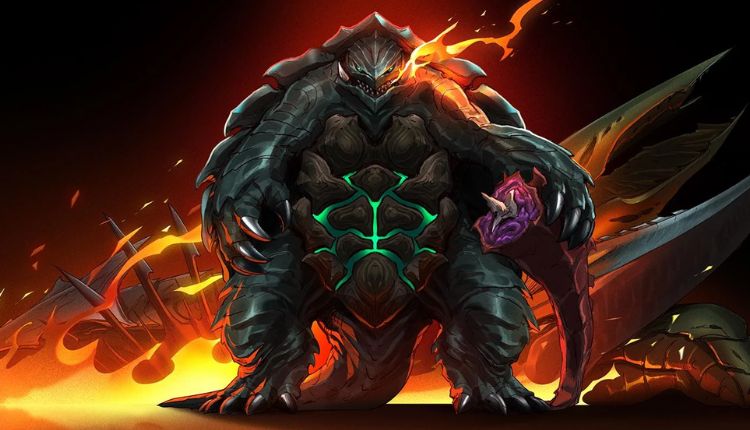
From hand-drawn sketches to cinematic digital images, artists continue to celebrate one of Japan’s most iconic monster heroes through unique interpretations. Inspired by the legendary giant turtle from the classic films produced by Daiei Film, Gamera has remained a symbol of imagination, nostalgia and artistic freedom for decades.
In this comprehensive guide to SEO, we’ll explore the evolution of Gamera fan art, art styles, tools, online communities, legal considerations, and how you can create your own masterpiece. This article includes detailed subheadings, bullet points, frequently asked questions, and a strong conclusion to help beginners and experienced artists alike.
- The origins of Gamera and its influence on fan art culture
- The Evolution of Gamer Fan Art in Different Eras
- Popular styles and themes in Gamera Fan Art
- Tools and techniques for creating amazing gaming fan art
- The Role of Online Communities in the Growth
- Legal aspects and copyright awareness
- How to start creating your own Gamera Fan Art today
- The Future of Gamer Fan Art in the Digital Age
- Conclusion
- Gamera Fan Art FAQ
The origins of Gamera and its influence on fan art culture
Gamera fan art first appeared in the 1965 film Gamera, the Giant Monster. Created during the golden age of Japanese kaiju cinema, the character was introduced as a rival to Godzilla. However, unlike many destructive monsters of the era, Gamera evolved into a protector of children and humanity.
The character’s transformation over time has profoundly influenced fan art culture. During the Showa era, artists focused on traditional monster aesthetics—heavy textures, exaggerated claws, and dramatic scenes of city destruction. In the Heisei trilogy, Gamera was redesigned with darker, more realistic design elements, inspiring highly detailed and intense artistic renderings.
Gamera fan art reflects several key influences:
- The classic Japanese tokusatsu film aesthetic
- Retro sci-fi poster composition
- Modern techniques of digital art concept
- Anime and manga styling
- Reinterpretation of Western comics
Artists often depict Gamera as either a nostalgic childhood hero or a terrifying ancient guardian. This duality gives creators wide creative freedom. The emotional connection many fans have with Gamera drives continued artistic expression across generations.
The Evolution of Gamer Fan Art in Different Eras
The evolution of Gamera fan art reflects changes in technology and art tools. In the 1960s and 1970s, fan art was mostly drawn by hand using pencil, ink, and watercolour. Physical fan clubs disseminated artwork through printed newsletters and conventions.
During the 1990s, the Heisei Trilogy – including Gamera: Guardian of the Universe – revived worldwide interest. Artists began to create darker, more cinematic interpretations. The rise of the first Internet forums made international sharing possible for the first time.
In the 2000s and beyond, digital art revolutionized kaiju fan creations. Platforms like:
- DeviantArt
- ArtStation
- Pixiv
allowed artists to showcase high-resolution digital paintings, 3D models, and animated fan tributes.
Today, Gamer fan art includes:
- Hyperrealistic concept art
- Anime-inspired redesigns
- Cute chibi versions
- Crossover art with other kaiju
- A reimagining of movie posters
Modern software such as Photoshop, Procreate, Blender and Clip Studio Paint enable unprecedented detail and lighting effects. Development continues as AI tools and virtual reality expand creative possibilities.
Popular styles and themes in Gamera Fan Art
One of the most fascinating aspects of Gamera fan art is the stylistic variety. Artists reinterpret the giant tortoise in ways that reflect their personal voice and cultural background.
Common art themes include:
- Guardian of Earth interpretation
- Apocalyptic scenes of city destruction
- Mythological designs of ancient animals
- Emotional portraits of child protectors
- Futuristic Cyber Gamer
Some artists emphasise scale by drawing tiny human silhouettes next to massive kaiju. Others focus on texture, highlighting the rough details of the shell and glowing plasma fire breath.
Anime-inspired styles often exaggerate expressions and streamline anatomy, while Western comic book influences can enhance muscle structure and dynamic poses.
Crossover art is also extremely popular. Artists imagine battles or alliances between Gamera and other iconic kaiju. These imaginative mashups expand the narrative beyond the official films.
Colour palettes vary greatly:
- Dark blue and green tones for realism
- Neon lights for sci-fi displays
- Soft pastel for stylized or cute versions
- Fiery red and orange for fight scenes
This stylistic freedom is what keeps the Gamer fan art community alive and constantly evolving.
Tools and techniques for creating amazing gaming fan art
Creating impressive Gamer fan art requires both technical skill and creative vision. Whether traditional or digital, artists use a wide variety of tools.
Traditional art instruments include:
- Graphite pencils for sketching
- Ink pens for bold outlines
- Watercolor for atmospheric effects
- Acrylic paints for texture
Digital artists rely on:
- Drawing tablets (Wacom, XP-Pen, Huion)
- Software like Photoshop and Procreate
- 3D modeling tools like Blender
- Texture brushes for realistic shell effects
Key techniques include:
- Studying reptilian anatomy for realism
- Using layered lighting effects
- Adding environmental elements such as smoke and debris
- Using a dynamic perspective for scale
Many artists start with thumbnail sketches to experiment with composition before finalising the details. Lighting is key when drawing kaiju – lighting the edge around the cloak can create dramatic silhouettes.
Texture layering is especially important for the Gamera shell. Artists often combine rock, tortoise shell, and cracked stone links to achieve authenticity.
Practice, patience, and reference study are necessary to improve your skills as a Gamer fan.
The Role of Online Communities in the Growth
Online communities have changed the way Gamera fan art is spread around the world. Social platforms allow for instant feedback, collaboration, and exposure.
Major nodes include:
- Reddit kaiju forums
- Pixiv for Japanese artists
- DeviantArt gallery
- Art hashtags on Instagram
- A contradiction of the kaiju communities
These platforms help artists:
- Share progress pictures
- Accept constructive criticism
- Take part in art challenges
- Collaborate on crossover projects
- Create professional portfolios
Fan conventions also play a big role. Artists sell prints, stickers, and custom artwork with their own interpretation of Gamera.
Community involvement promotes motivation. Seeing the interpretation of others inspires experimentation. Trends often appear — for example, seasonal Gamer art (Halloween, cyberpunk themes, etc.).
The availability of global platforms means that artists from different countries contribute unique cultural influences to Gamery fan art.
Legal aspects and copyright awareness
While Gamera fan art is widely accepted in fan communities, artists must understand copyright rules. Character owned by rights holders associated with Kadokawa Corporation.
Important considerations include:
- Non-commercial fan art is generally tolerated
- Selling prints may require caution
- Using official logos can cause problems
- Avoid claiming ownership of the character
Most companies tolerate fan creations as long as they don’t damage the brand’s reputation or compete with official merchandise.
Artists should always:
- Credit to the original franchise
- Avoid misleading labelling.
- Research Platform Policy
- Respect intellectual property laws
Understanding legal boundaries ensures that creativity thrives without risk.
How to start creating your own Gamera Fan Art today
If you want to start making Gamera fan art, start simple and build up.
Step-by-step procedure:
- Check out classic Gamer movies for inspiration
- Study the anatomy and textures of the shell
- Sketch the basic poses
- Experiment with lighting
- Choose your preferred medium
Start with rough sketches rather than detailed masterpieces. First, focus on capturing scale and posture.
Useful tips for beginners:
- Use links to turtles and reptiles
- Study stills from the film
- Break complex shapes into simple shapes
- Practise perspective drawing
You don’t need expensive equipment to get started. Even a pencil and notebook can produce impressive results with dedication.
As your skills improve, experiment with:
- Cinematic lighting
- Cityscape background
- Dramatic battle scenes
- Emotional storytelling
Consistency is more important than perfection. Regular practice will continually improve the quality of your Gamer fan art.
The Future of Gamer Fan Art in the Digital Age
The future of Gamera fan art looks incredibly promising. With advances in digital tools, artists now create:
- 3D printable Gamer sculptures
- Short animated films
- VR kaiju environment
- Concept art with the help of artificial intelligence
Crowdfunding and online marketplaces allow independent artists to monetize their passion responsibly.
As the nostalgia cycles continue, new generations are discovering classic kaiju movies. Reboots and remasters often reignite fan creativity.
Soon we may see:
- Camera Art Filters for Augmented Reality
- Interactive fan comics
- Blockchain-verified digital collectibles
- Global collaborative art projects
The digital age ensures that Gamery fan art will continue to evolve in innovative directions.
Conclusion
Gamera fan art represents more than monster drawings. It symbolizes creativity, nostalgia, community and artistic development. From hand-drawn sketches inspired by classic kaiju cinema to ultra-detailed digital masterpieces, artists continue to reinvent the iconic giant turtle in exciting ways.
By understanding the origins of a character, mastering artistic techniques, respecting copyright guidelines, and engaging in online communities, anyone can contribute to this vibrant creative culture.
Whether you’re a beginner drawing in a notebook or a professional digital illustrator, Gamera fanart offers limitless possibilities. The legend of the kaiju lives on – not just on movie screens, but in the imaginations of artists around the world.
Gamera Fan Art FAQ
What is Gamer Fan Art?
Gamera fan art refers to unofficial fan-made artwork inspired by the Gamera franchise.
Is it legal to sell fan art?
Selling can be risky due to copyright ownership. Non-commercial art is generally safer.
What tools are best for beginners?
Pencil and paper are great to start with. Digital beginners can use free drawing apps.
Where can I share my fan art?
Platforms like DeviantArt, Instagram, Reddit, and Pixiv are popular options.
How can I improve my kaiju drawing skills?
Study anatomy, practise perspective, analyse film stills and draw consistently.
Is Gamera still popular today?
Yes, the character maintains a devoted global fan base and continues to inspire artists.